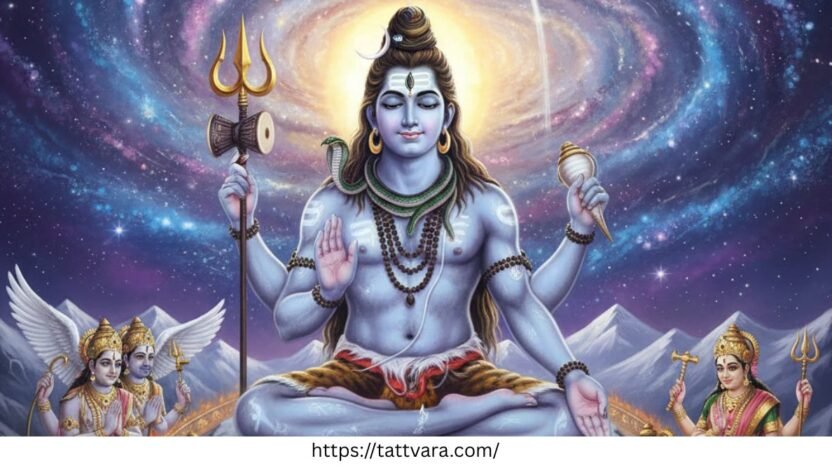
Hinduism has existed since antiquity as an indigenous tradition to Indian culture and history; this ancient belief system encompasses numerous deities, each with its own function or role. The Hindu way of perceiving divinity is that there is one divine source from which all powers come forth. However, rather than focusing on just one source or the most powerful god in the world, Hindus see the many facets of divinity. As a result, you have different gods performing very specific tasks for humans.
Each transcendent aspect of divinity corresponds to an aspect of human life—thus, the characteristics associated with the divine represent all aspects of existence. For instance, Vishnu is associated with life-giving power (sustaining existence), while Durga represents life-murdering energy (destroying anything negative); therefore, both must coexist to maintain balance within Creation and of life itself.
Read Also: How Many Wives of Lord Krishna Are Mentioned in Hindu Scriptures?
Understanding Supreme Power in Hinduism
Hinduism believes that the Brahman is formless and infinite; therefore, it is the highest reality of being. All different forms of the god or goddess represent that supreme divine energy; thus, asking who is the most powerful god is not how to compare them because each god has different duties that help keep the cosmos in balance.
However, your scriptures and traditions highlight many gods and goddesses as especially powerful based on their responsibilities and abilities, for example, Lord Vishnu, Lord Shiva, and Lord Ganesha.
Also Read: 7 Divine Krishna Mantras for Inner Peace and Abundant Blessings
10 Most Powerful Gods in Hinduism
- Lord Shiva
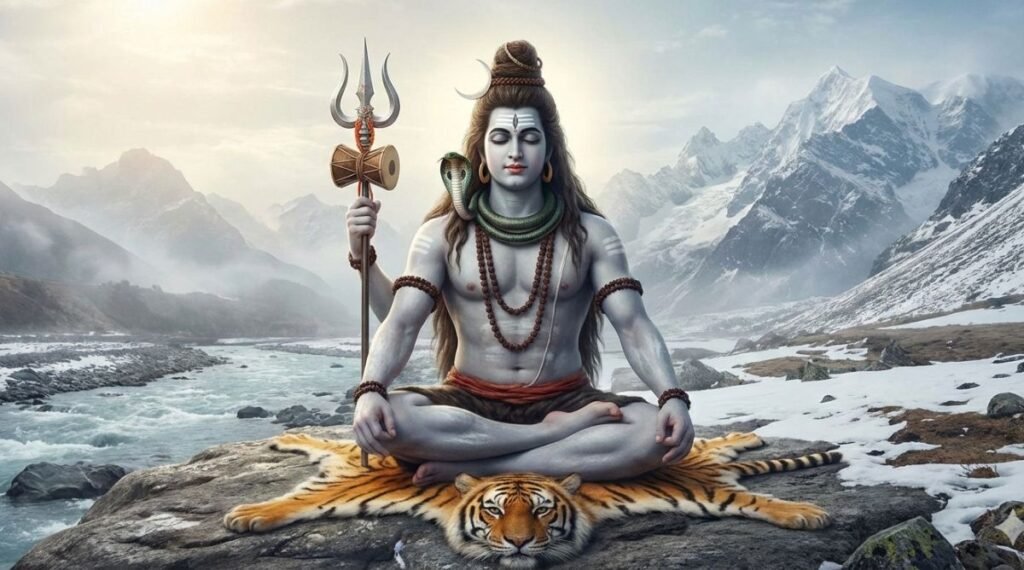
Representing the destruction of ignorance and negativity, Lord Shiva is also a transformer (not merely destroying). He transcends time, form, and all that is material creation, making him a supreme power. The devotees who follow Shiva generally feel he best represents the question of “Who is the most powerful God?”
- Lord Vishnu
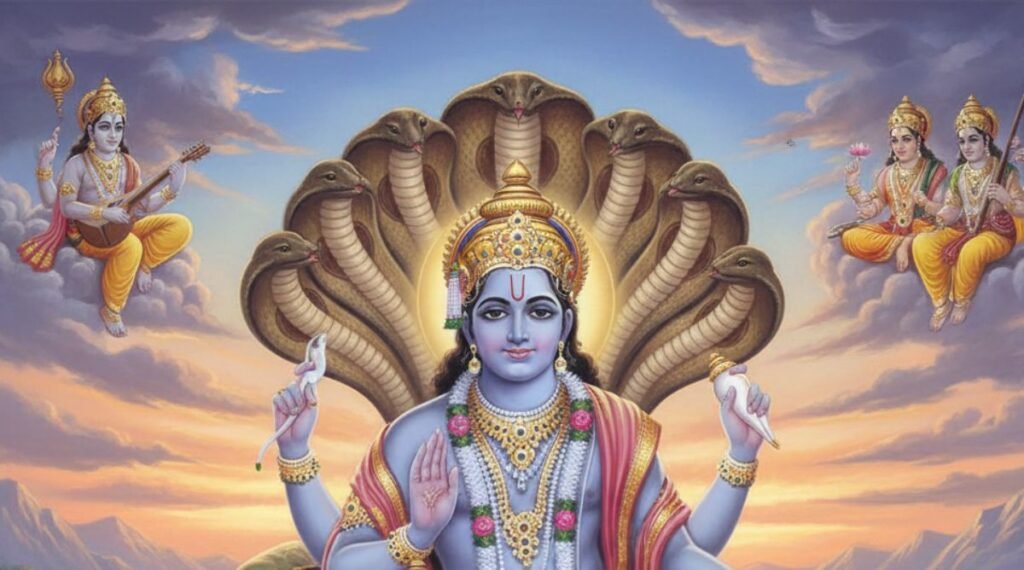
Vishnu, also referred to as “the preserver of the universe,” takes on various avatars in order to protect the universe whenever dharma (righteousness) is diminished. As a protector of our universe, he is considered one of the most powerful divine beings. Vishnu is viewed by many as one of the answers to the question, “Who is the most powerful god on Earth?”
- Lord Brahma
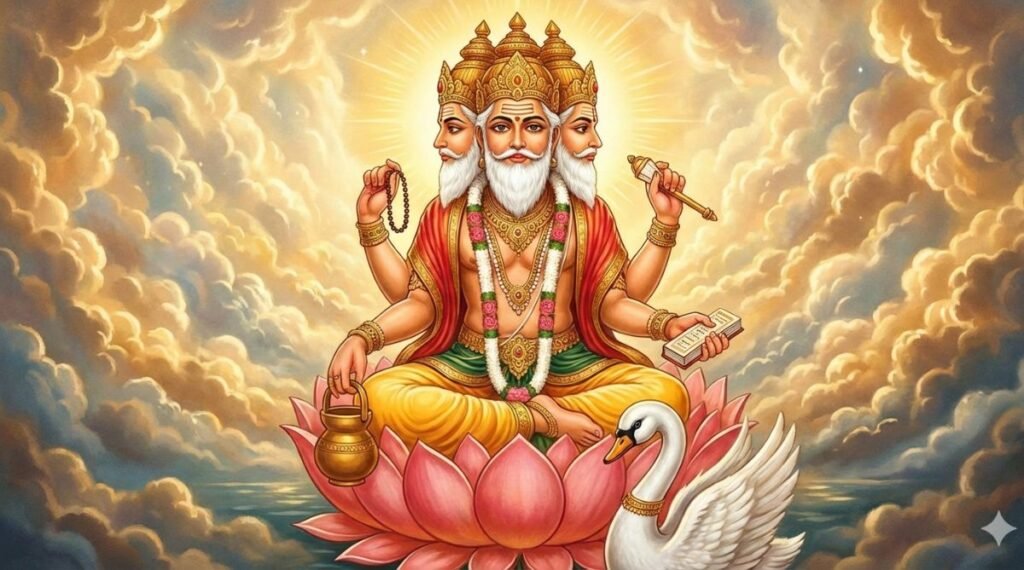
The originator of the universe and the creator of all things, Brahma, has also brought life, time, and order to the cosmos. While today he is not widely worshipped as a god, he continues to have unlimited creation abilities.
- Goddess Durga
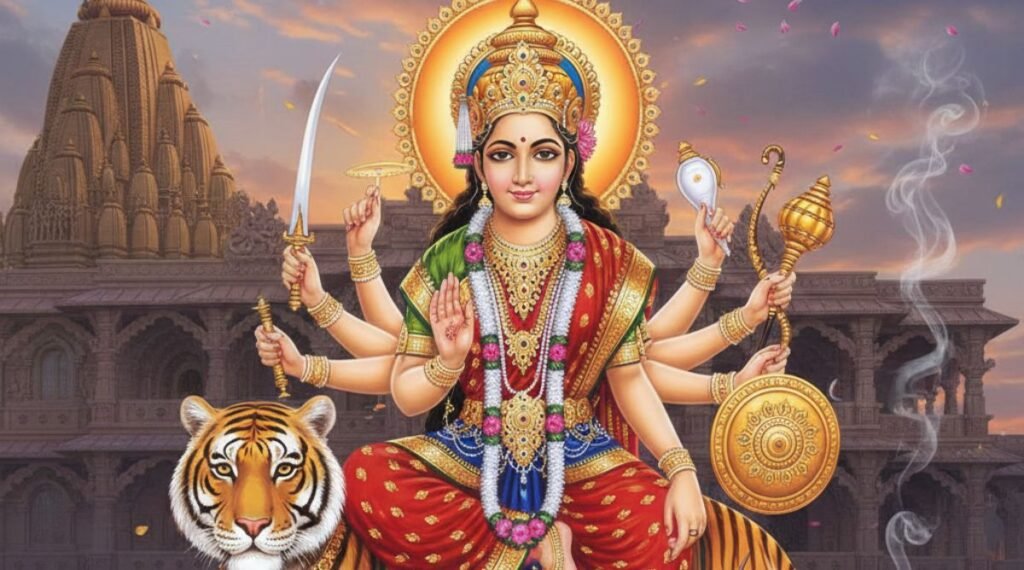
Hinduism believes that Durga is an embodiment of Shakti (Power). She is capable of annihilating all that is evil and preserving what is morally correct through her use of power. Durga’s courage, strength, and fearlessness demonstrate that she is truly one of the strongest deities in the pantheon of Hinduism.
- Lord Krishna
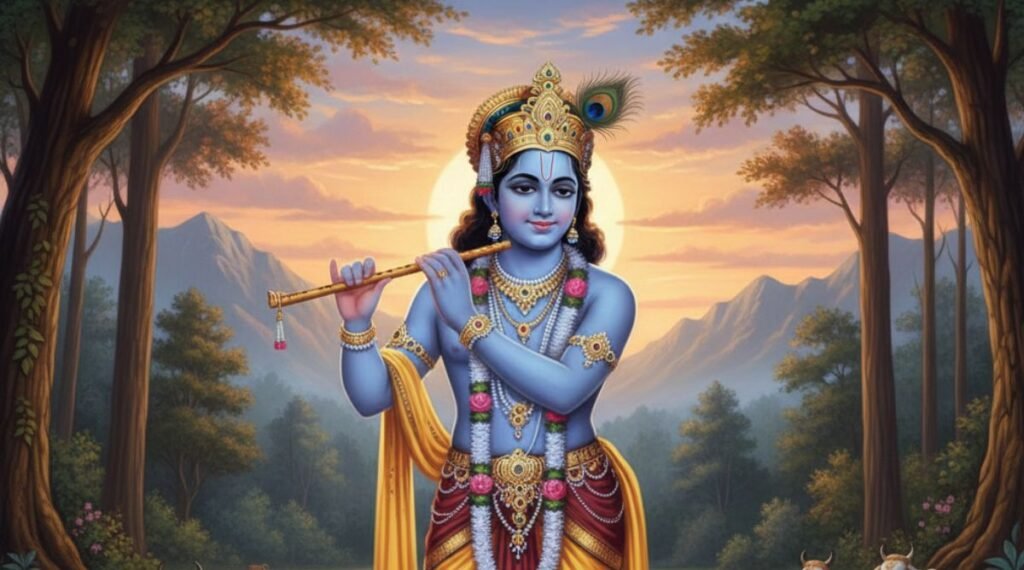
Krishna is an avatar of Vishnu and a symbol of divine wisdom and love. His teachings guide humanity toward spiritual truth. Many devotees believe Krishna is the supreme divine, making him a strong answer to who is the most powerful god.
- Lord Rama
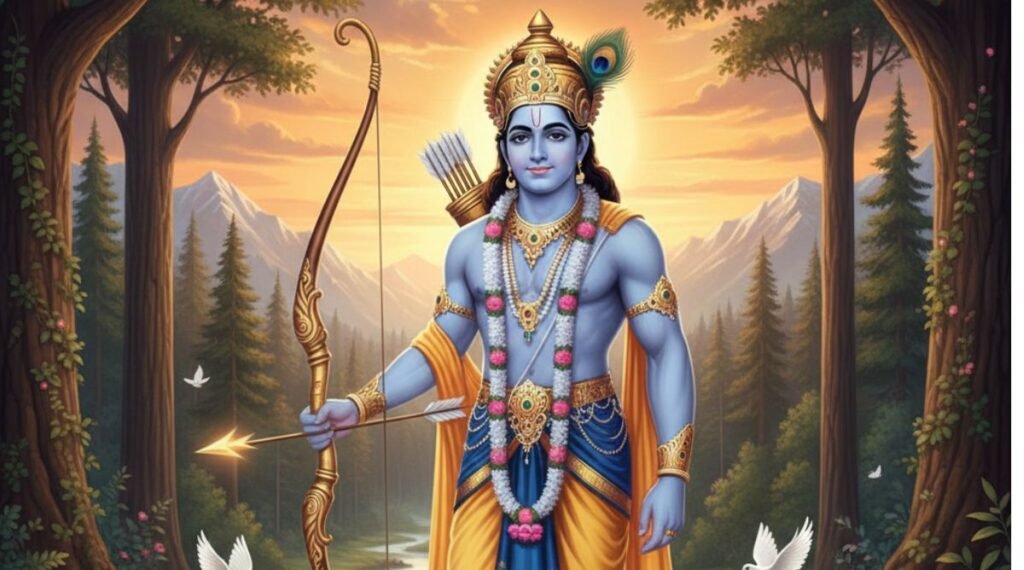
Rama exemplifies an ideal leader with moral strength and dedication to duty. Rama’s power is based upon righteousness and discipline; this is where he teaches that the root of all true power comes not from force, but rather from a combination of value and truth.
- Lord Ganesha
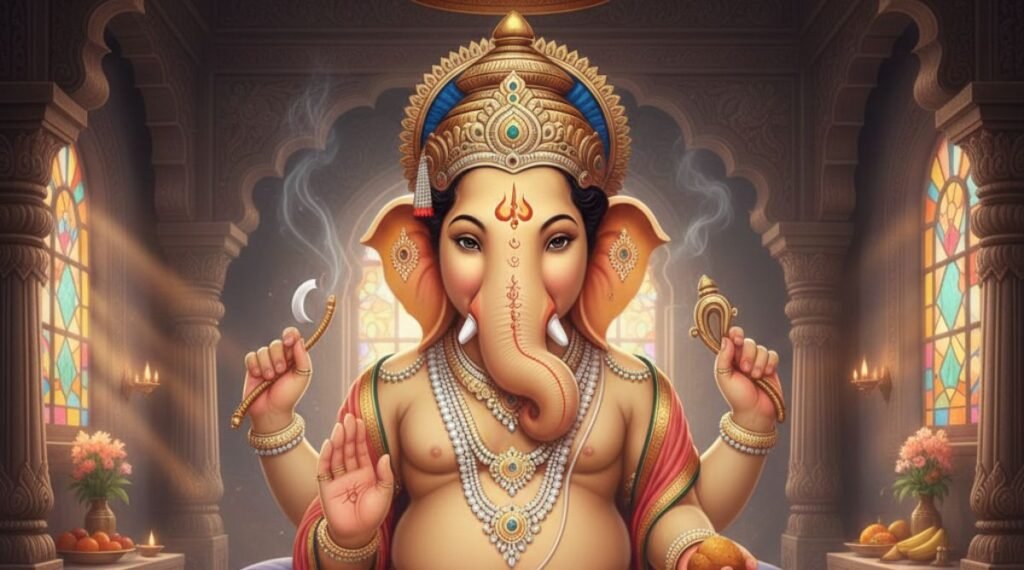
Ganesha is revered for his power to eliminate obstacles as well as being a source of new beginnings and wisdom. The fact that he can remove obstacles makes Ganesha a very powerful being in the practical world.
- Lord Hanuman
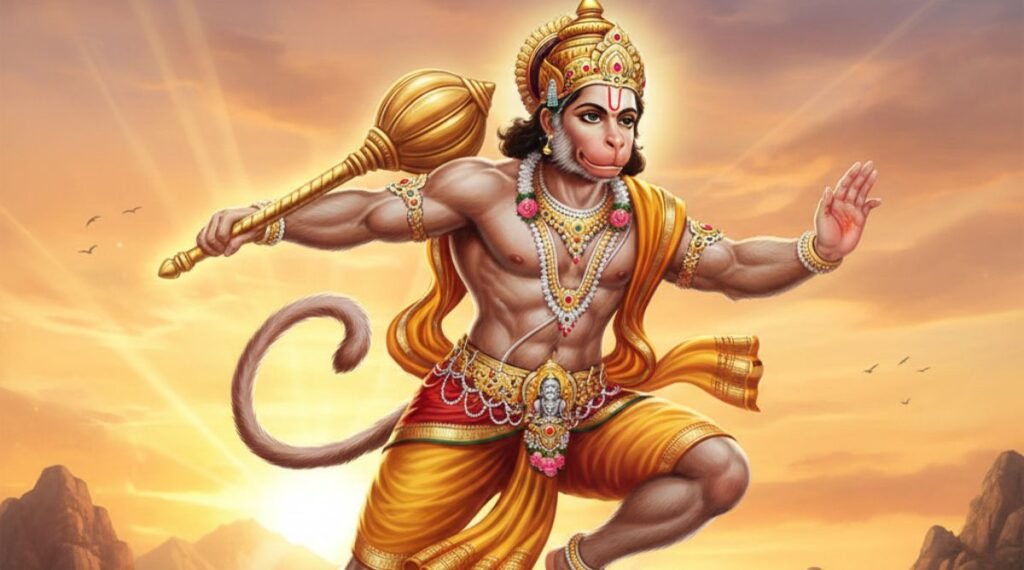
Hanuman represents devotion, immense strength, and loyalty through his devotion and unwavering faith. Hanuman’s power is based on his selflessness and service to others. People pray to Hanuman to receive courage, safety, and inner strength.
- Lord Kartikeya
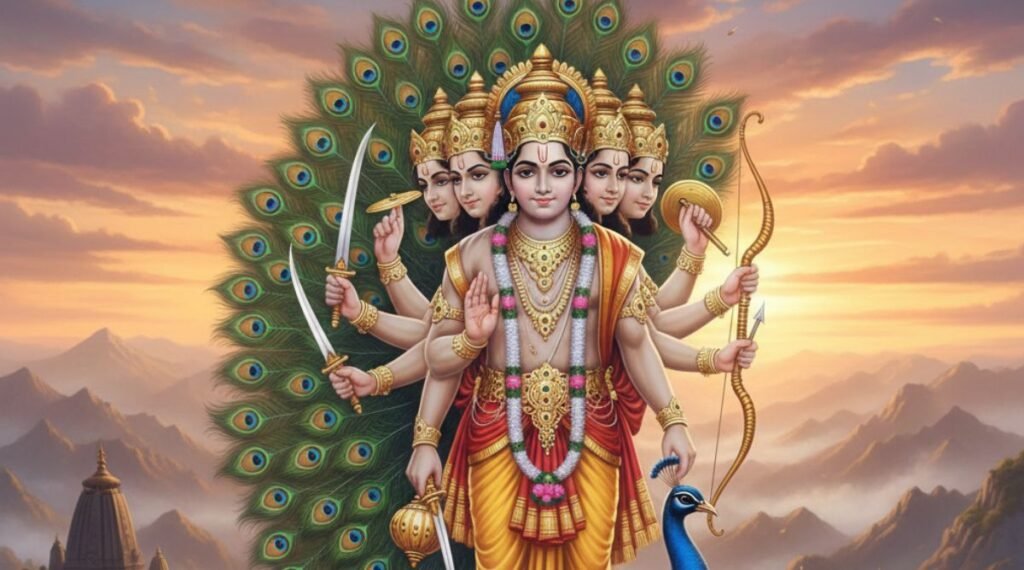
Kartikeya is the god of war and victory, symbolizing discipline, leadership, strategic power, and so on (Ssspaasp), as he guides a devotee during their life’s difficulties.
- Lord Indra
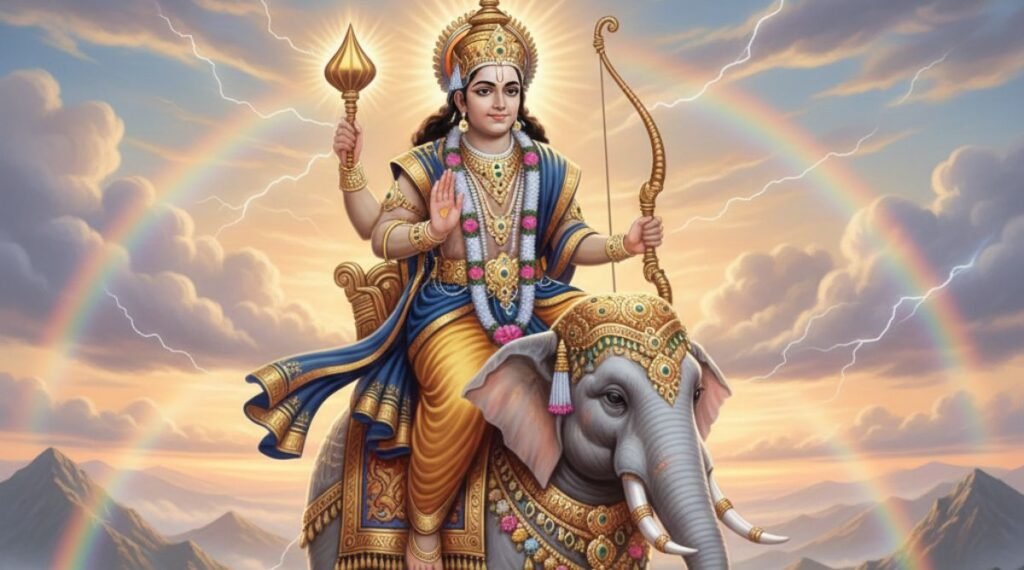
In Early Vedic times, Indra was considered the god-king and controlled rain, thunder, and storms. He used his leadership power to help maintain order among the universes during the early world.
Also Read: 19 Avatars of Lord Shiva Explained: Names & Stories
So, who is the most powerful god?
There is no one answer to the question of who is the most powerful god in the world or in Hinduism, as there are many different beliefs across multiple traditions on this topic. Various Hindu communities will acknowledge one or more of these deities as their supreme deity. In some communities, Shiva is accepted as the ultimate divine being. In other communities, however, Vishnu or Krishna is viewed as the ultimate divine being. Still, in other communities, Shakti, the goddess of female energy, is viewed as the ultimate source of energy and the originator of all life.
Furthermore, all Hindu traditions teach, regardless of belief in one or more supreme beings, that divinity must be established in balance, wisdom, and harmony rather than by violence or oppression.
Conclusion
In Hindu philosophy, the definition of power does not only encompass something physical (such as strength or control). Power instead is described as ‘the most powerful (God) that guides the world toward balance, truth, and spiritual enlightenment.’ This can be achieved through the worship of any deity (Shiva, Vishnu, Krishna, etc.) or by paying homage to the Female Divinity (Shakti).
Therefore, power is derived through creation (Shakti), through devotion, righteous action, and connecting to God within all of creation (‘God is everywhere’).